
My cat stopped eating three days ago. I had $40 in my checking account. The vet quoted $800 for emergency care. I thought I'd have to say goodbye. Then I found programs that paid the vet directly — and I didn't spend a dime.
If you're searching for "free pet supplies near me," "free pet insurance," or "can't afford vet," you're not alone. An estimated 20 million dogs and cats in the U.S. are living in poverty with their families, and a shocking 70% of these animals have never seen a veterinarian. Veterinary costs have increased by over 40% and pet food prices by more than 20% in recent years. Here's the good news: free pet assistance programs exist in every state — covering food, supplies, vet care, and even emergency treatment.
8 Types of Pet Assistance Programs
| Program Type | What They Cover | Best For | How to Find |
|---|---|---|---|
| Pet Food Banks & Pantries | Free dog and cat food, treats, sometimes litter | Emergency food needs | Search "pet food bank near me" |
| Humane Society & SPCA Clinics | Low-cost or free vaccines, spay/neuter, wellness exams | Routine preventive care | Contact your local humane society |
| Emergency Vet Grants | Life-saving treatment, surgery, hospitalization | Accidents, sudden illness | RedRover Relief, Brown Dog Foundation |
| Chronic Care Assistance | Cancer, heart disease, diabetes treatment | Ongoing conditions | The Pet Fund, Live Like Roo |
| Free Pet Supplies | Beds, crates, leashes, toys, grooming tools | Supplies beyond food | Buy Nothing groups, shelters |
| Senior Pet Programs | Food delivery, vet care access, supplies | Seniors on fixed incomes | Meals on Wheels pet programs |
| Community Pet Pantries | Free food, no questions asked | Immediate, no-appointment needs | Local churches, community centers |
| Free Virtual Vet Advice | 24/7 online vet consultations | Non-emergency questions | GetBuddy Pets app (free) |
Free Pet Food & Supplies
National Pet Food Assistance Programs
Pets for Life (Humane World for Animals): This program provides veterinary care, supplies, services, and information at no cost to pet parents living in poverty. With over 60 dedicated local partner programs across the U.S., Pets for Life has provided essential veterinary services and resources to nearly 400,000 companion animals and more than $117 million in pet food and supplies.
How to access: Search for a Pets for Life partner site near you through their online directory. The program addresses inequity and lack of access to resources through door-to-door outreach and support services.
Pet Food Banks & Pantries
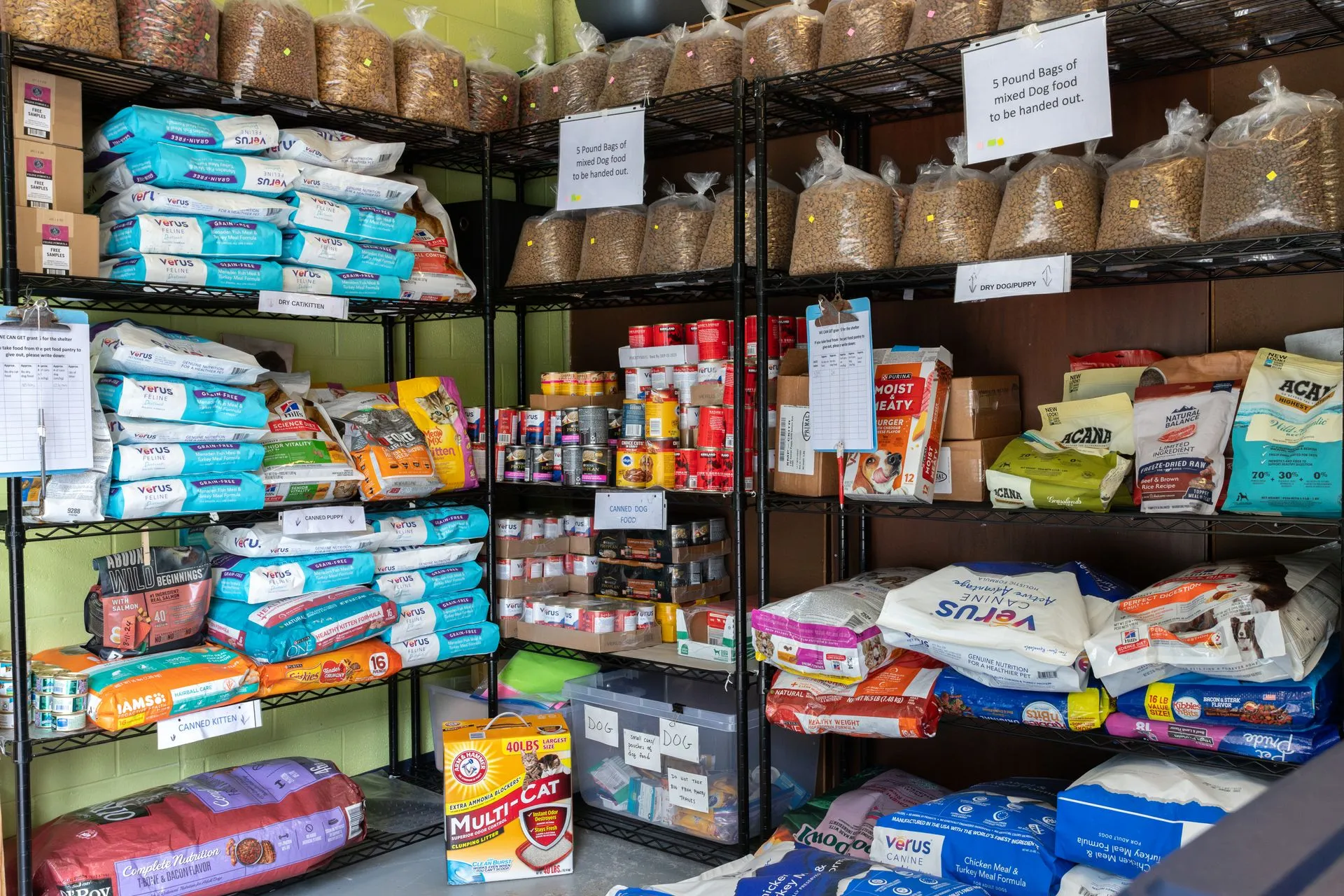
Pet food banks operate just like human food banks. Many local animal shelters, humane societies, and SPCAs run assistance programs for families experiencing financial hardship. Some unique examples include:
- Free Pet Food Vending Machines: In Atlanta, a free pet food vending machine provides dog and cat food to families in need without appointments or transportation barriers. The technology tracks inventory in real time and alerts the nonprofit when restocking is needed.
- Pet Pantries: Also known as pet food banks, these provide free or low-cost pet food, often organized by charities, animal shelters, or community groups.
Where to Find Free Pet Supplies Near You
| Resource | What They Provide | How to Access |
|---|---|---|
| Local animal shelters | Free pet food, supplies | Call and ask about assistance programs |
| Humane Society locations | Premium brand food donations | Often requires SNAP/Medicaid/SSI proof |
| Church food pantries | Pet food, supplies | No questions asked |
| Buy Nothing groups (Facebook) | Opened bags, beds, toys | Search "[your city] Buy Nothing" |
| Riverside County RCDAS | Free pet food at all shelter locations | Visit any RCDAS shelter and ask for a supervisor |
Free & Low-Cost Veterinary Care
Emergency Vet Care Grants
REACH Program (AVMA): This program allows veterinarians to apply for charitable care grants when clients are facing financial hardship. In 2025 alone, more than $1 million in REACH funds helped over 1,300 animals nationwide receive lifesaving treatment. Participating veterinarians can access up to $1,000 per calendar year in assistance (up to $5,000 per clinic address). The process is simple: provide treatment first, then submit the grant application for reimbursement.
RedRover Relief: Provides emergency financial assistance averaging around $250 for pet owners with household incomes under $60,000 who have pets in life-threatening situations. Applications require a current veterinary diagnosis and treatment plan with a good prognosis.
Brown Dog Foundation: Works directly with veterinary clinics to cover the complete treatment cost gap for pets facing immediate life-threatening situations.
Chronic Care Assistance
The Pet Fund: Offers one-time financial assistance for non-basic, non-urgent veterinary care including cancer treatment, heart disease, chronic conditions, and endocrine diseases. Applicants must email first to confirm eligibility. There is a chronic waitlist due to high demand.
Live Like Roo Foundation: Has assisted more than 10,000 families through cancer diagnoses. Their Maggie's Friends program covers 100% of cancer treatment costs for cats.
Low-Cost Clinics
| Clinic Type | Typical Cost | Services |
|---|---|---|
| Humane Society & SPCA clinics | Free – $5 per service | Vaccinations, spay/neuter, wellness exams |
| Veterinary school teaching hospitals | 20–50% less than private practices | Full-service care with specialists |
| Mobile wellness clinics | Free – low cost | Vaccines, microchipping, flea/tick treatments |
| Community vaccination clinics | Low cost | Core vaccines, rabies shots |
Free Pet Insurance & Financial Assistance
Is There Free Pet Insurance?
While free pet insurance itself is rare, numerous programs provide the same outcome: free or low-cost veterinary care. According to MoneyGeek, there are four types of pet insurance assistance programs: emergency/urgent care programs, breed-specific programs, condition-specific programs, and routine care assistance programs.
Banfield Foundation HOPE Funds: Provides financial assistance for pet owners who meet income requirements and whose pets have immediately life-threatening conditions. Treatment is available at any Banfield Pet Hospital location regardless of whether you're an existing client.
Frankie's Friends: Offers grants up to $2,000 per pet for family-owned pets needing life-saving emergency or specialty veterinary care. Also has specialized funds for cancer treatment and ophthalmic conditions.
CareCredit: A healthcare credit card for veterinary expenses with promotional financing options offering no interest if paid within promotional periods.
Senior Pet Owner Programs
According to Meals on Wheels America, nearly 7 million seniors live at or below the poverty line — and many will choose to feed their pet before feeding themselves:
- 1 in 2 Meals on Wheels clients report being unable to access preventive or emergency veterinary care
- More than 1 in 5 seniors report going without food themselves to feed their pets
- More than 80% of Meals on Wheels pet program participants say the program helped them keep their pet
Meals on Wheels Pet Programs: Partners with PetSmart Charities to provide free pet food delivered alongside meals, access to veterinary care through local partnerships, pet supplies, and flea/tick prevention in some areas. Contact your local Meals on Wheels affiliate to ask which pet assistance services are available.
Pets for the Elderly Foundation: Covers adoption fees for seniors at participating shelters nationwide, including pre-adoption veterinary exams, spay/neuter surgery, and initial vaccinations for adults age 60 and older.
How to Qualify for Pet Assistance Programs
Most programs require:
- Proof of income — Recent pay stubs, unemployment benefits statements, Social Security award letters, or disability paperwork
- Government assistance participation — SNAP, Medicaid, WIC, SSI proof (if applicable)
- Veterinary estimates — Diagnosis information and treatment plans
- Proof of pet ownership — Documentation that the pet belongs to you
- Identification — For all household members
Important: Many programs require your veterinarian to submit the application on your behalf rather than accepting direct applications from pet owners. Ask your vet if they participate in assistance programs.
Your 5-Step Action Plan
- For emergency vet care: Call your vet and ask if they can apply to REACH (AVMA program) or RedRover Relief on your behalf
- For pet food and supplies: Search for a pet food bank near you or contact your local shelter
- For chronic conditions: Apply to The Pet Fund or Live Like Roo Foundation (cancer)
- For seniors (60+): Contact your local Meals on Wheels affiliate about pet assistance programs
- For routine care: Visit your local humane society or SPCA low-cost clinic
You don't have to choose between feeding yourself and feeding your pet — or between paying your rent and saving your pet's life. Free pet assistance programs exist in every state. Start with one call to your local shelter or vet. Your pet depends on you.

